
Affiliated to CISCE New Delhi (Home Centre for ICSE & ISC)
Affiliated to CISCE New Delhi (Home Centre for ICSE & ISC)

August 3, 2026
HSMS
Drawing is much more than a fun activity—it plays an important role in a child’s overall development. Here’s how it helps:
Improves Fine Motor Skills
Holding crayons, pencils, or brushes strengthens the small muscles in the hands and fingers, helping children develop better control for writing, cutting, and other everyday tasks.
Boosts Creativity and Imagination
Drawing encourages children to think creatively, invent stories, and express ideas in unique ways. There are no right or wrong answers, allowing their imagination to flourish.
Encourages Emotional Expression
Children often express feelings through art that they may not yet have the words to describe. Drawing can help them communicate happiness, excitement, fear, or sadness in a safe and healthy way.
Enhances Observation Skills
When children draw objects, people, or nature, they learn to notice details such as shapes, colors, sizes, and patterns, improving their attention and visual awareness.
Develops Communication Skills
Talking about their drawings helps children organize their thoughts, build vocabulary, and gain confidence in expressing themselves.
Strengthens Problem-Solving Skills
Choosing colours, deciding where to place objects, or figuring out how to draw something encourages planning, decision-making, and critical thinking.
Supports Early Learning
Drawing reinforces concepts such as:
-Shapes and patterns
-Colors
-Numbers and letters
-Storytelling and sequencing
Builds Confidence
Completing a drawing gives children a sense of accomplishment. Positive encouragement helps build self-esteem and motivates them to keep trying new things.
Improves Focus and Patience
Spending time on a drawing teaches children to concentrate, pay attention to details, and work patiently until they finish.
Creates Opportunities for Bonding
Drawing together gives parents and teachers a chance to interact with children, encourage conversation, and celebrate their creativity.
Key Benefits at a Glance
-Develops fine motor skills
-Encourages creativity and imagination
-Supports emotional well-being
-Improves concentration and observation
-Enhances communication and storytelling
-Builds confidence and self-expression
-Strengthens early academic skills
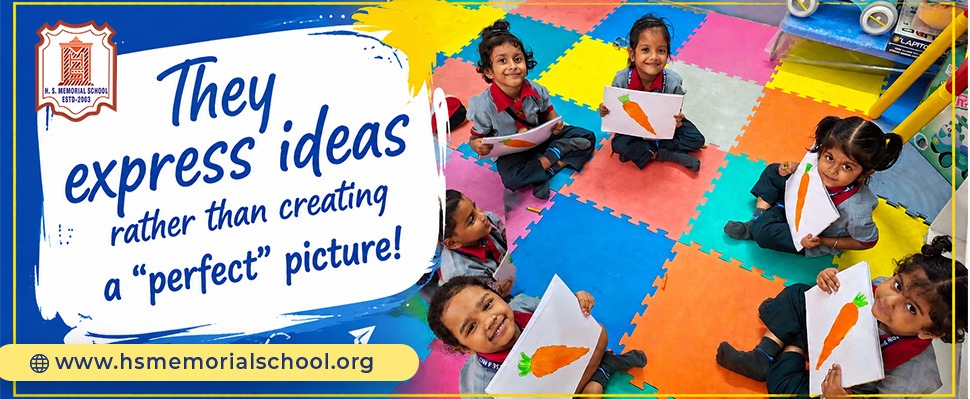
Regular drawing activities help children grow not only as young artists but also as confident, creative, and curious learners. The focus should be on enjoying the process and expressing ideas rather than creating a “perfect” picture.